Benefits of Using Ready-Mix Concrete for Construction

Concrete is the backbone of modern construction, providing strength and durability to structures. Among the various types of concrete available, ready-mix concrete stands out as a popular choice for many builders and contractors. This blog post explores the numerous benefits of using ready-mix concrete in construction projects, highlighting its advantages over traditional concrete mixing methods.
What is Ready-Mix Concrete?
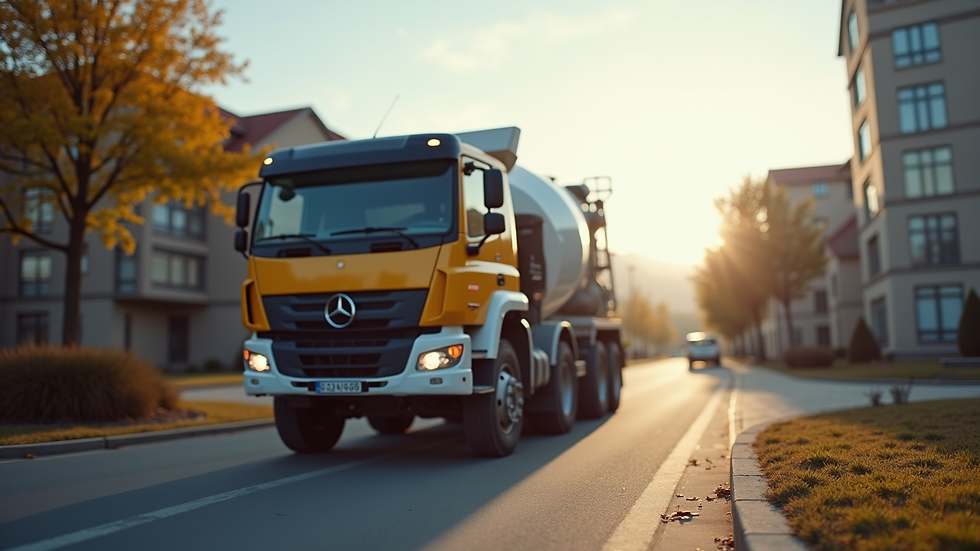
Ready-mix concrete is a type of concrete that is manufactured in a factory or batching plant and delivered to a construction site in a freshly mixed state. This process involves combining cement, aggregates, water, and additives in precise proportions to create a consistent and high-quality product. The concrete is then transported to the site using specialized trucks equipped with rotating drums to keep the mixture agitated and prevent it from setting prematurely.
Key Benefits of Ready-Mix Concrete
Consistency and Quality Control
One of the primary advantages of ready-mix concrete is its consistency. Since it is produced in a controlled environment, the quality of the ingredients can be monitored closely. This leads to a uniform mix that meets the required specifications for strength and durability. Builders can rely on ready-mix concrete to provide the same quality for every batch, reducing the risk of weak spots or inconsistencies that can occur with on-site mixing.
Time Efficiency
Using ready-mix concrete can significantly reduce the time required for construction projects. Traditional concrete mixing methods often involve labor-intensive processes, including measuring, mixing, and transporting materials. With ready-mix concrete, the mixing is done off-site, allowing construction teams to focus on other critical tasks. This efficiency can lead to faster project completion times, which is particularly beneficial for large-scale projects.
Cost-Effectiveness
While the initial cost of ready-mix concrete may be higher than that of traditional concrete, it can lead to overall cost savings in the long run. The reduced labor costs, minimized waste, and faster project completion times contribute to lower overall expenses. Additionally, the durability of ready-mix concrete means that structures are less likely to require repairs or maintenance, further enhancing its cost-effectiveness.
Reduced Waste
Ready-mix concrete is produced in precise quantities based on the specific needs of a project. This minimizes the risk of over-ordering or under-ordering materials, which can lead to waste. In contrast, traditional mixing methods often result in excess concrete that must be discarded. By using ready-mix concrete, builders can ensure that they are using only what they need, contributing to more sustainable construction practices.
Versatility
Ready-mix concrete is highly versatile and can be customized to meet the specific requirements of various projects. Whether it’s for residential, commercial, or industrial applications, ready-mix concrete can be tailored with different additives to enhance its properties. For example, additives can be included to improve workability, increase strength, or enhance resistance to environmental factors such as freeze-thaw cycles.
Environmental Benefits
The production of ready-mix concrete can also be more environmentally friendly compared to traditional methods. Many manufacturers are adopting sustainable practices, such as using recycled materials and reducing energy consumption during production. Additionally, the reduced waste associated with ready-mix concrete contributes to a lower environmental impact.
Applications of Ready-Mix Concrete
Residential Construction
In residential construction, ready-mix concrete is commonly used for foundations, driveways, patios, and sidewalks. Its strength and durability make it an ideal choice for these applications, ensuring that structures can withstand the test of time.
Commercial Projects
For commercial projects, ready-mix concrete is often used in the construction of buildings, parking lots, and other infrastructure. The ability to produce large quantities of concrete quickly and efficiently makes it a preferred choice for contractors working on tight deadlines.
Industrial Uses
Ready-mix concrete is also widely used in industrial settings, such as factories and warehouses. Its versatility allows for the creation of specialized concrete mixes that can withstand heavy loads and harsh environments.
Choosing the Right Ready-Mix Concrete Supplier
When selecting a ready-mix concrete supplier, it’s essential to consider several factors to ensure you receive a high-quality product:
Reputation: Look for suppliers with a strong reputation in the industry. Check reviews and ask for recommendations from other contractors.
Quality Control: Ensure that the supplier follows strict quality control measures during production to guarantee consistency and reliability.
Delivery Options: Choose a supplier that offers flexible delivery options to meet your project’s timeline and requirements.
Customization: Find a supplier that can provide customized mixes tailored to your specific needs.
Conclusion
Ready-mix concrete offers numerous benefits that make it an excellent choice for construction projects of all sizes. From its consistency and quality control to its time efficiency and cost-effectiveness, ready-mix concrete stands out as a reliable solution for builders and contractors. By choosing ready-mix concrete, you can enhance the durability and sustainability of your construction projects while ensuring timely completion.
As you plan your next construction project, consider the advantages of ready-mix concrete and how it can contribute to your success. Whether you are building a new home, a commercial space, or an industrial facility, ready-mix concrete can provide the strength and reliability you need to achieve your goals.
Comments